Featured
Some Known Factual Statements About Regulatory Aspects Re...
Rumored Buzz on The Truth About Debt Forgiveness and What...
The Greatest Guide To Is It Worth Compared to Going It Al...
How Managing Money During a Long Illness: Working with Cr...

Understanding Different Loan Forgiveness for Healthcare Workers in Rural Areas You Should Know About Things To Know Before You Buy
Table of Contents
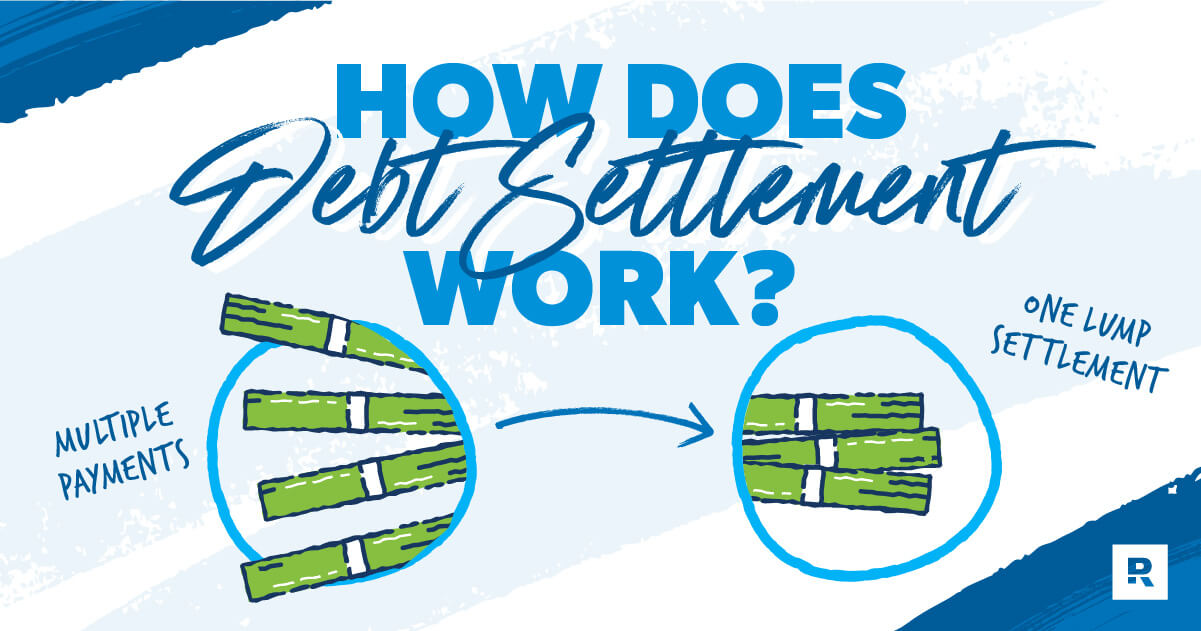
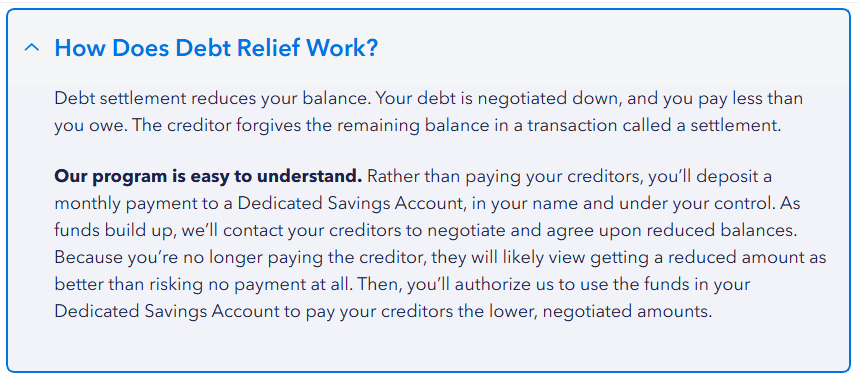
That releases up cash in the short term, and you might have 3 to 4 years to save toward the negotiation quantity. Very damaging to credit score scores, largely due to missed repayments and a negative "cleared up" mark that might stay on your debt report for as much as 7 yearsMay be only alternative if other alternatives (financial debt combination, equilibrium transfer charge card, debt forgiveness) aren't possibleTypically calls for a cost to the third celebration, which can balance out some or all of the financial savings from debt settlementMay aid you stay clear of personal bankruptcy if you have actually missed out on numerous paymentsNot all financial institutions function with debt settlement firms Debt forgiveness may be appropriate for you if you are experiencing a financial difficulty that makes it almost difficult to pay for your financial obligation equilibriums.
With a DMP, you make one month-to-month repayment to the credit rating counseling agency. Those funds are then distributed to lenders of your unprotected financial obligations, such as credit scores cards and installment lendings. The firm works with your lenders to reduce rate of interest or forgo charges, however some financial institutions may refuse such giving ins.
A financial obligation consolidation loan combines your qualified financial debts right into one new loan. It can aid you pay down debt if you have the ability to protect a funding price that's reduced than the average price of the accounts you're combining. You must abstain from racking up financial obligation on those freshly gotten rid of accounts or your debt could grow also greater.
These cards commonly provide a 0% passion introductory period of approximately 21 months. That gives you a lot of time to get rid of or dramatically decrease your equilibrium while making interest-free payments. For some individuals encountering overwhelming financial debt, personal bankruptcy may be the only means to quit collection proceedings and legitimately resolve their financial obligations.
10 Easy Facts About How Top Providers Differ from the Industry Shown
You might require it if your creditor or a debt collection agency ever before attempts to collect on the debt in the future. The letter might confirm you do not owe what the collection firm's records reveal. Yes, for the most part, the internal revenue service considers forgiven financial obligation as taxed revenue. When a loan provider forgives $600 or more, they are called for to send you Form 1099-C.
Financial debt forgiveness or negotiation generally harms your credit report. Anytime you work out a financial obligation for much less than you owe, it may look like "cleared up" on your credit rating report and impact your credit history for seven years from the date of settlement. Your credit history can likewise drop substantially in the months bring about the mercy if you drop behind on repayments.
9 Easy Facts About Certified Guidance Protects Your Home Shown
This scenario commonly results from underreporting income, not submitting returns on time, or discrepancies discovered throughout an IRS audit. The effects of gathering tax obligation financial debt are serious and can consist of tax liens, which give the IRS a lawful claim to your home as protection for the financial debt.
Greater rate of interest on available credit history. Earnings and Bank Accounts IRS can impose (confiscate) salaries and savings account to please the financial obligation. Minimized revenue and interruption of necessary financial procedures. Residential property Seizure In extreme cases, the internal revenue service can seize and market property to cover the financial obligation. Loss of beneficial assets and prospective variation.
Social Preconception Facing legal activity from the Internal revenue service can carry social stigma. Work Opportunities A bad credit scores score due to exhaust debt can limit work chances. Government Advantages Tax financial debt may affect qualification for government benefits, such as Social Security and Medicaid.
Getting The Accessing Help From Certified Counselors To Work
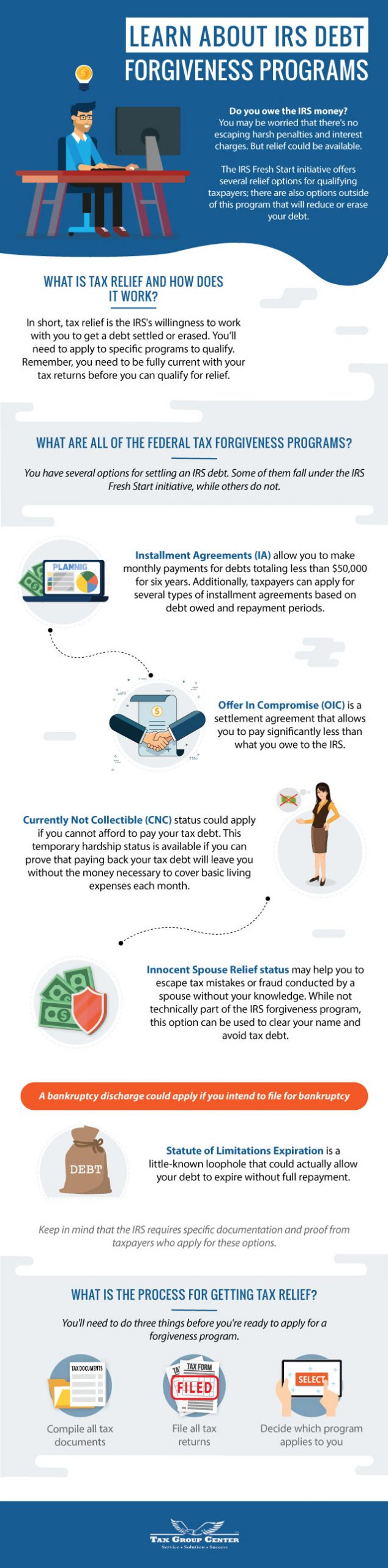
The OIC thinks about numerous elements, including the taxpayer's earnings, expenditures, property equity, and capacity to pay. Effectively working out an OIC can be complicated, requiring an extensive understanding of the IRS's guidelines and a solid argument for why your offer aligns with your capability to pay. It's vital to keep in mind that not all applications are accepted, and the process needs in-depth monetary disclosure.
The internal revenue service evaluates your overall economic scenario, including your income, expenditures, asset equity, and capability to pay. You must additionally be present with all declaring and repayment demands and not be in an open bankruptcy proceeding. The internal revenue service likewise considers your compliance background, examining whether you have a document of timely declaring and paying tax obligations in previous years.
The 9-Second Trick For Innovation Makes Loan Forgiveness for Healthcare Workers in Rural Areas Better
The application procedure for a Deal in Compromise includes several in-depth steps. You have to complete and submit Internal revenue service Form 656, the Deal in Compromise application, and Form 433-A (OIC), a collection information declaration for individuals. These forms need detailed financial details, including details about your revenue, debts, expenditures, and properties.
Back taxes, which are unpaid tax obligations from previous years, can considerably increase your total internal revenue service debt if not resolved quickly. This debt can build up passion and late repayment penalties, making the original quantity owed a lot larger in time. Failure to pay back taxes can lead to the IRS taking enforcement actions, such as issuing a tax obligation lien or levy versus your building.
It is necessary to deal with back tax obligations immediately, either by paying the full amount owed or by organizing a repayment plan with the IRS. By taking aggressive steps, you can stay clear of the build-up of extra interest and penalties, and avoid much more aggressive collection activities by the IRS.
One usual factor is the idea that the taxpayer can pay the sum total either as a round figure or via a repayment strategy. The IRS also considers the taxpayer's income, expenditures, possession equity, and future earning possibility. If these aspects indicate that the taxpayer can pay for to pay greater than the supplied amount, the internal revenue service is likely to turn down the offer.
The Ultimate Guide To Getting Help Via APFSC
Dealing with Internal revenue service financial obligation can be complicated and daunting. Tax obligation professionals, such as CPAs, tax obligation attorneys, or registered representatives, can supply vital aid.

Table of Contents
Latest Posts

Some Known Factual Statements About Regulatory Aspects Regarding Debt Forgiveness

Rumored Buzz on The Truth About Debt Forgiveness and What You Need to Know
The Greatest Guide To Is It Worth Compared to Going It Alone Approaches
More
Latest Posts
Some Known Factual Statements About Regulatory Aspects Regarding Debt Forgiveness
Rumored Buzz on The Truth About Debt Forgiveness and What You Need to Know
The Greatest Guide To Is It Worth Compared to Going It Alone Approaches